
An ISO 45001 implementation roadmap provides a structured, 52 week framework to establish a world class occupational health and safety management system. Organizations begin with a thorough gap analysis and leadership alignment; they then transition into risk identification, employee training, and rigorous performance evaluations to ensure compliance. This systematic approach ensures all safety protocols are fully integrated into daily operations before the final certification audit.
Achieving ISO 45001 certification often feels like an uphill battle against administrative complexity and shifting regulatory requirements. Many organizations rush the process; consequently, they end up with a manual that sits on a shelf rather than a living system that protects workers. This fragmentation creates unnecessary risk and drains internal resources. To build a truly resilient occupational health and safety management system, you need a disciplined, strategic timeline that integrates safety into your core business operations. In this guide, we provide a comprehensive 52 week roadmap designed to move your organization from initial assessment to certification readiness. You will learn how to navigate five critical phases; including foundation building, hazard identification, and performance evaluation. By following this structured path, you can ensure that your safety culture is robust, compliant, and sustainable for the long term.
The Strategic Value of a Year Long ISO 45001 Implementation Roadmap
Achieving ISO 45001 certification is often mistaken for a sprint to collect a badge. In reality, a comprehensive ISO 45001 implementation roadmap requires a full year to transition from reactive compliance to a proactive, sustainable safety culture. Many organizations attempt to rush this process into a 90 day window, which frequently results in "paper safety," where documentation exists but the underlying management system fails to protect workers effectively.
True occupational health and safety (OH&S) excellence is built on the Plan, Do, Check, Act (PDCA) cycle. This iterative framework ensures that safety is not a static set of rules but a living system of continuous improvement. By spreading the implementation over 52 weeks, leadership has the necessary time to embed these principles into daily operations without overwhelming the workforce.
Safety Compass AI provides an enterprise-grade safety system designed to move independent safety consultants and internal teams past the clutter of manual spreadsheets. Our Nashville based platform breaks the year long journey into discrete, digital milestones. These structured safety mechanisms ensure that each phase of the PDCA cycle is properly documented and verified, allowing your organization to build a robust system that stands up to the rigors of an external audit and the demands of a high risk workplace.
Phase 1: Foundation and Context (Weeks 1 to 8)

The first eight weeks of your ISO 45001 implementation roadmap are dedicated to establishing a stable foundation. Under Clause 4, you must define the Context of the Organization. This requires a rigorous analysis of both internal and external factors that influence your safety performance. External issues might include changing regulatory requirements in the Nashville market or supply chain volatility, while internal issues often center on organizational culture, worker competence, and aging infrastructure. Identifying these variables early ensures the management system is tailored to your specific operational reality.
Genuine leadership commitment, as outlined in Clause 5, is the pulse of this phase. This stage necessitates more than a perfunctory signature on a safety policy. Leaders must actively participate by forming a Safety Steering Committee, a cross functional group comprised of senior management and operational leads who are responsible for resource allocation and strategic direction. During these initial weeks, this committee must finalize the scope of the Occupational Health and Safety (OH&S) management system, clearly documenting which physical boundaries and operational activities the system will cover.
Many independent safety consultants encounter analysis paralysis during this phase, spending months debating organizational boundaries without moving toward implementation. Safety Compass AI mitigates this risk through an enterprise-grade safety system that uses a structured dashboard to track these foundational milestones. By utilizing structured safety mechanisms to document context and leadership roles digitally, you ensure the system is built on verifiable data rather than vague assumptions. This clarity prevents the project from stalling before the technical work of hazard identification begins in the following months.
Phase 2: Planning and Hazard Identification (Weeks 9 to 20)
Weeks 9 through 20 of the ISO 45001 implementation roadmap shift the focus toward the technical core of the system: Clause 6, Planning. This phase requires a clear distinction between hazard identification and risk assessment. Hazard identification is the proactive process of recognizing potential sources of harm, such as a malfunctioning pressurized valve or an ergonomic mismatch at a workstation. Risk assessment, conversely, is the analytical step of evaluating the likelihood of an incident occurring and the potential severity of the resulting injury or illness.
To be effective, this process must prioritize worker participation. Front line employees possess granular knowledge of daily operational hazards that managers might overlook. Engaging these workers through walk throughs and interviews ensures the risk register is grounded in reality rather than theoretical assumptions. This period also demands the creation of a legal register to document applicable health and safety legislation, including federal OSHA standards and specific Tennessee state requirements. Failing to systematically track these legal obligations often leads to nonconformities during the final certification stage.
Setting measurable OH&S objectives is where many organizations falter. ISO 45001 requires objectives to be monitored, documented, and updated. Instead of a vague ambition like "reduce accidents," an ISO compliant objective would be "reduce slip and fall incidents by 15 percent by the end of the fiscal year through the implementation of quarterly floor inspections and updated high traction footwear requirements." This level of specificity allows for clear data tracking and provides a baseline for performance evaluation.
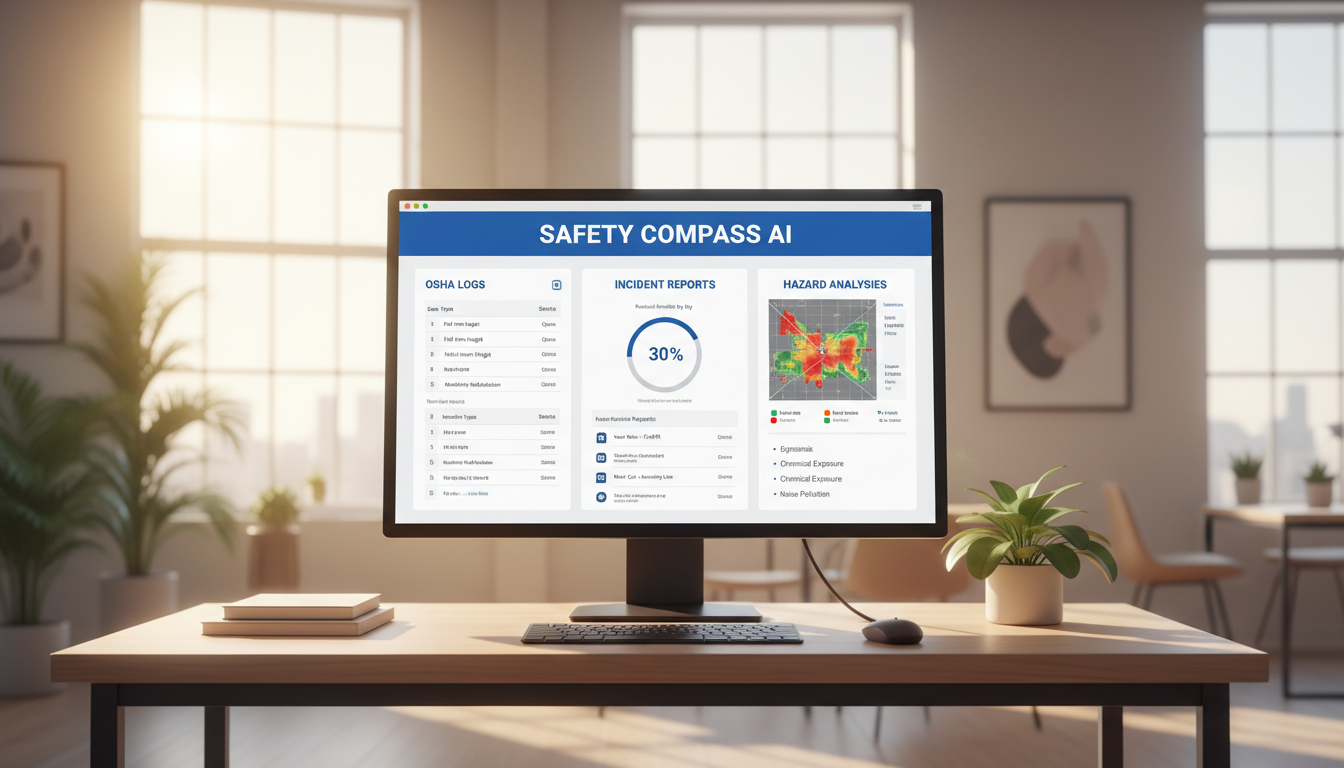
Managing these complex risk matrices and legal requirements is often the most labor intensive part of the planning phase. Safety Compass AI provides structured safety mechanisms to streamline this documentation. By utilizing an enterprise-grade safety system, your team can move away from static spreadsheets and toward dynamic risk management. This digital approach ensures that independent safety consultants can easily update risk profiles as operational conditions change, maintaining the integrity of the planning phase as you prepare for operational controls.
Phase 3: Support and Operational Controls (Weeks 21 to 36)
Moving from the analytical planning phase into the active execution of the ISO 45001 implementation roadmap marks the transition to the "Do" stage of the PDCA cycle. Between weeks 21 and 36, the focus shifts to Clause 7 (Support) and Clause 8 (Operation). This period is defined by resource allocation, ensuring that the necessary tools, protective equipment, and personnel are in place to execute the safety objectives defined in the previous phase. Competence is critical here; it is not enough to simply hold a generic safety meeting. Organizations must verify that employees have the specific skills required for their tasks through targeted training and rigorous competency assessments.
A robust communication plan is the bridge that connects high level strategy to daily activities. Effective communication must account for the diverse environments within a Nashville enterprise, reaching both administrative staff in corporate offices and specialized teams in high risk field environments. This involves establishing clear protocols for how safety information is shared, received, and acted upon. Awareness campaigns during these weeks should ensure that every worker understands the OH&S policy and their individual contribution to the system's effectiveness.
Operational controls represent the practical application of your risk assessments. On the ground, this looks like the implementation of Lockout/Tagout (LOTO) procedures, permit to work systems for confined spaces, or specific equipment maintenance schedules. These controls turn theoretical safety into observable, repeatable behaviors. However, the rigor of ISO 45001 requires these actions to be evidenced through documented information.
Rather than managing these requirements through bulky binders and paper trails that are difficult to update, Safety Compass AI provides structured safety mechanisms to maintain digital records. Our enterprise-grade safety system allows independent safety consultants to verify that operational controls are being followed in real time. By centralizing training records and operational logs digitally, your organization eliminates the administrative burden of manual filing while ensuring that documentation remains audit ready and accessible to the entire workforce.
Phase 4: Performance Evaluation and Internal Audit (Weeks 37 to 48)
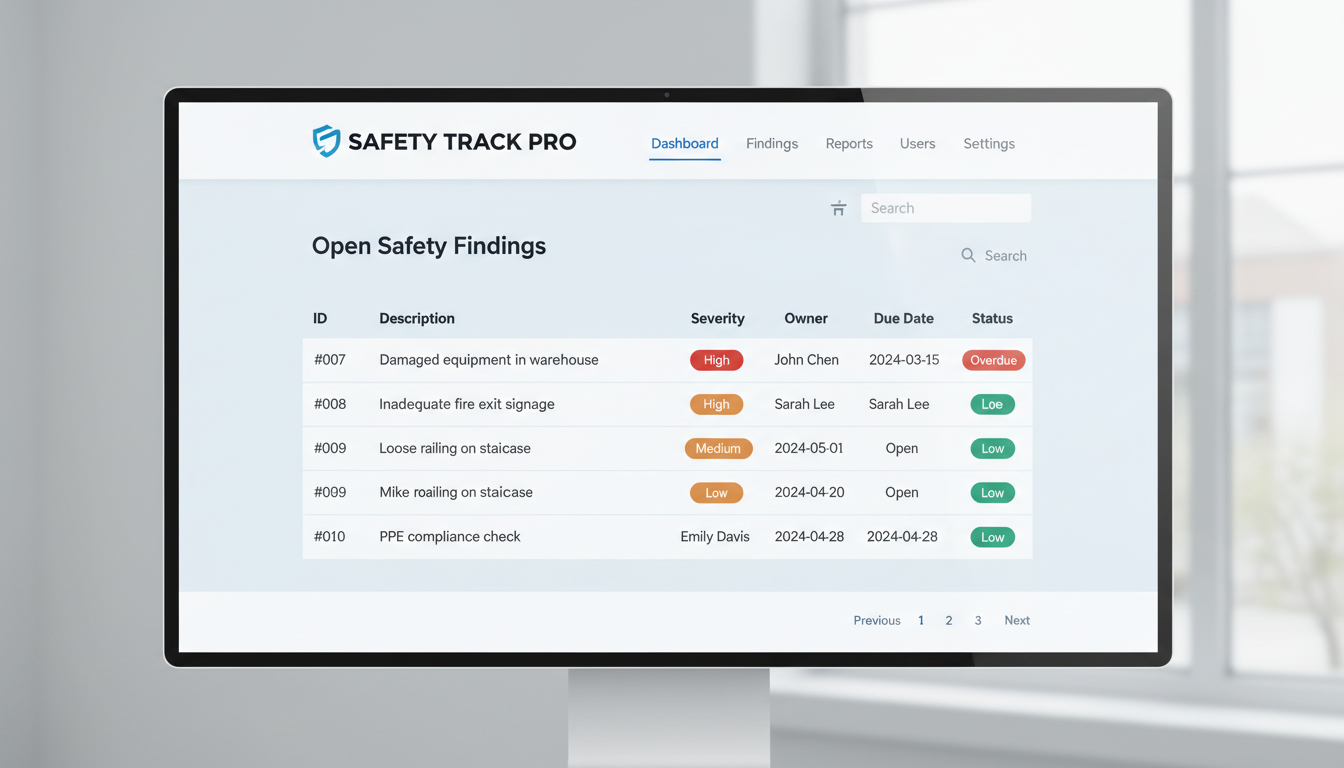
Weeks 37 through 48 focus on Clause 9, Performance Evaluation. This is the "Check" stage of the ISO 45001 implementation roadmap, where the organization shifts from execution to validating that the established controls are functioning as intended. Monitoring and measurement must extend beyond lagging indicators, such as injury rates, to include proactive leading indicators like the completion of scheduled inspections, the effectiveness of training, and the frequency of hazard reports. Analyzing this data provides the factual basis needed for informed decision making.
The internal audit serves as the centerpiece of this phase. It should be viewed as a constructive tool for improvement rather than a punitive exercise. When selecting an internal auditor, ensure they possess the necessary competence and, critically, maintain independence from the activities being audited. Many Nashville firms engage independent safety consultants during these weeks to provide an objective, third party perspective that internal staff might miss. A typical audit schedule during this phase involves a systematic review of all clauses and departments over a concentrated four week window, leaving sufficient time to address findings before the final months.
The phase culminates in the Management Review, as required by Clause 9.3. This is where senior leadership examines the audit results, performance trends, and worker feedback to make strategic adjustments. To facilitate this high level oversight, Safety Compass AI provides structured safety mechanisms that aggregate performance data into digestible reports. By utilizing our enterprise-grade safety system, leaders can transition away from manual data entry and focus on strategic resource allocation, ensuring the management system remains suitable, adequate, and effective as the certification date approaches.
Phase 5: Improvement and Certification Readiness (Weeks 49 to 52)
The final four weeks of the ISO 45001 implementation roadmap focus on Clause 10, Improvement. This stage requires closing the loop on nonconformities identified during the internal audit through formal corrective actions. Rather than applying a temporary fix, the organization must perform a root cause analysis to prevent recurrence. Documenting this process demonstrates to external auditors that the management system is self-correcting and resilient.
Selecting an accredited registrar is a vital step in these final weeks. Organizations should prioritize registrars with specific expertise in their industrial sector to ensure the audit provides meaningful feedback. The certification process consists of two primary hurdles:
Audit Phase | Objective | Key Focus Areas |
|---|---|---|
Stage 1 | Readiness Review | Verification of documentation, scope, and internal audit completion. |
Stage 2 | System Effectiveness | Evaluation of operational controls, worker interviews, and site inspections. |
When the external auditor arrives, they will seek objective evidence that the system is fully operational. Using structured safety mechanisms within an enterprise-grade safety system allows independent safety consultants to retrieve necessary records instantly, demonstrating high levels of organizational control. Upon successful certification, the process transitions from implementation to maintenance, where the PDCA cycle becomes a permanent operational standard rather than a project milestone.